Tybee Island Georgia
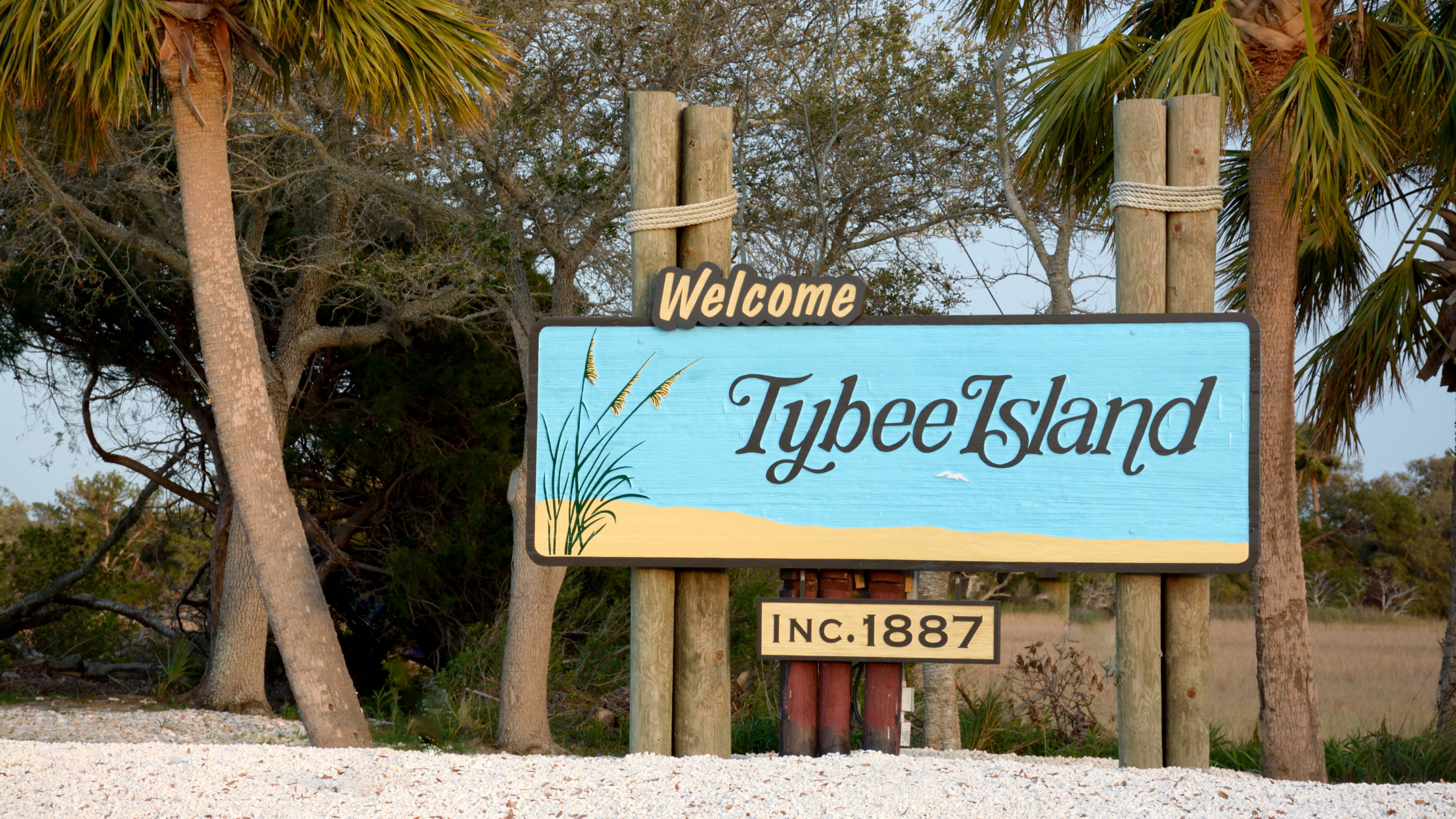
Educational Guide to Tybee Island, Georgia: Nature, History, and Coastal Beauty
Introduction
Welcome to Tybee Island, Georgia—a charming barrier island known for its pristine beaches, historic landmarks, and rich ecological diversity. Located just 20 minutes east of Savannah, Tybee Island offers a unique blend of natural beauty and cultural heritage, making it an ideal destination for educational exploration.
The Historical Significance of Tybee Island
Founding and Early History
Tybee Island has a history that dates back to the Native American tribes who first inhabited the region. The island was later settled by European colonists in the 18th century. Over the years, it has played important roles in military history, coastal trade, and tourism.
Key Historical Landmarks
Tybee Island Light Station and Museum: The Tybee Island Light Station, established in 1736, is one of the oldest lighthouses in the United States. Visitors can climb to the top of the lighthouse for panoramic views of the island and explore the adjacent museum, which offers exhibits on the history of the lighthouse, the island’s maritime history, and local ecology.
Fort Pulaski National Monument: Located on nearby Cockspur Island, Fort Pulaski is a well-preserved Civil War fort that played a significant role in military history. The fort offers guided tours, living history demonstrations, and educational programs that provide insights into Civil War strategies and the fort’s construction.
Cultural and Educational Experiences on Tybee Island
Museums and Cultural Centers
Tybee Island Marine Science Center: The Marine Science Center is dedicated to the preservation and education of coastal Georgia’s marine life. Visitors can explore exhibits on local marine species, participate in guided beach walks, and join educational programs focused on marine conservation and coastal ecology.
Tybee Post Theater: This historic theater, originally built as a movie house for soldiers stationed at Fort Screven, has been restored and now serves as a venue for cultural events, films, and live performances. The theater also hosts educational events, including lectures and workshops on the arts and local history.
Outdoor Educational Activities
Tybee Island Beach and Dunes
The beaches of Tybee Island are not only beautiful but also serve as living classrooms for learning about coastal ecosystems, tides, and marine life. Guided nature walks and beachcombing tours offer educational insights into the island’s unique coastal environment.
North Beach Birding Trail: This trail is part of Georgia’s Colonial Coast Birding Trail and is a prime spot for birdwatching. Visitors can observe a variety of shorebirds, migratory species, and native birds, making it an excellent location for learning about avian ecology and conservation.
Little Tybee Island
Little Tybee Island, accessible only by boat, is a pristine, undeveloped barrier island just south of Tybee Island. It offers opportunities for kayaking, fishing, and wildlife observation. Educational tours of Little Tybee Island focus on the island’s untouched ecosystems, including salt marshes, tidal creeks, and maritime forests.
Tybee Island as a Hub of Ecotourism and Conservation
Oatland Island Wildlife Center (nearby in Savannah)
Located just off the island, Oatland Island Wildlife Center offers visitors the chance to explore the natural habitats of native Georgian wildlife. The center features trails through maritime forests and exhibits on the region’s ecosystems, providing a deeper understanding of coastal conservation efforts.
Savannah River Ecology Laboratory (SREL) (associated with the University of Georgia)
While not on Tybee Island, SREL conducts research and educational programs related to the ecology of the Savannah River Basin. They occasionally offer public outreach and educational events that delve into the science behind the coastal environment of the region, including Tybee Island.
Cultural Festivals and Events
Tybee Island Pirate Fest: This annual event is a fun and educational celebration of Tybee Island’s maritime history, featuring live music, a parade, and pirate-themed activities for all ages. It’s a great opportunity to learn about the island’s past while enjoying lively entertainment.
Tybee Island Beach Bum Parade: A long-standing local tradition, this annual water fight and parade is a celebration of island life. While more of a fun community event, it also highlights the island’s culture and the importance of community in coastal living.
Practical Information for Educational Visits
Best Time to Visit: Tybee Island is a year-round destination, but the spring and fall offer mild weather and fewer crowds, making it an ideal time for educational tours and outdoor activities.
Educational Resources: Many of Tybee Island’s museums, science centers, and natural areas offer educational materials, guided tours, and workshops. Be sure to check out the offerings at the Tybee Island Marine Science Center and the Tybee Island Light Station and Museum.
Transportation and Accessibility: Tybee Island is easily accessible by car from Savannah. Once on the island, it’s easy to explore by bike, on foot, or via golf cart rentals. Public parking is available at most major attractions.
Plan Your Visit
For more information on planning your trip, including additional attractions, dining options, and event calendars, visit the official Visit Tybee Island website. Additionally, the Explore Georgia website offers a broader look at what Georgia has to offer, including nearby destinations that you might want to explore.
Conclusion
Tybee Island, Georgia, is a destination where history, nature, and coastal culture come together to create a rich educational experience. From exploring the historic Tybee Island Light Station to engaging with marine life at the Tybee Island Marine Science Center, the island offers something for everyone. Plan your visit today and discover the many ways you can learn and grow in this coastal gem.