Mount Rushmore
Educational Guide to Mount Rushmore National Memorial
Introduction
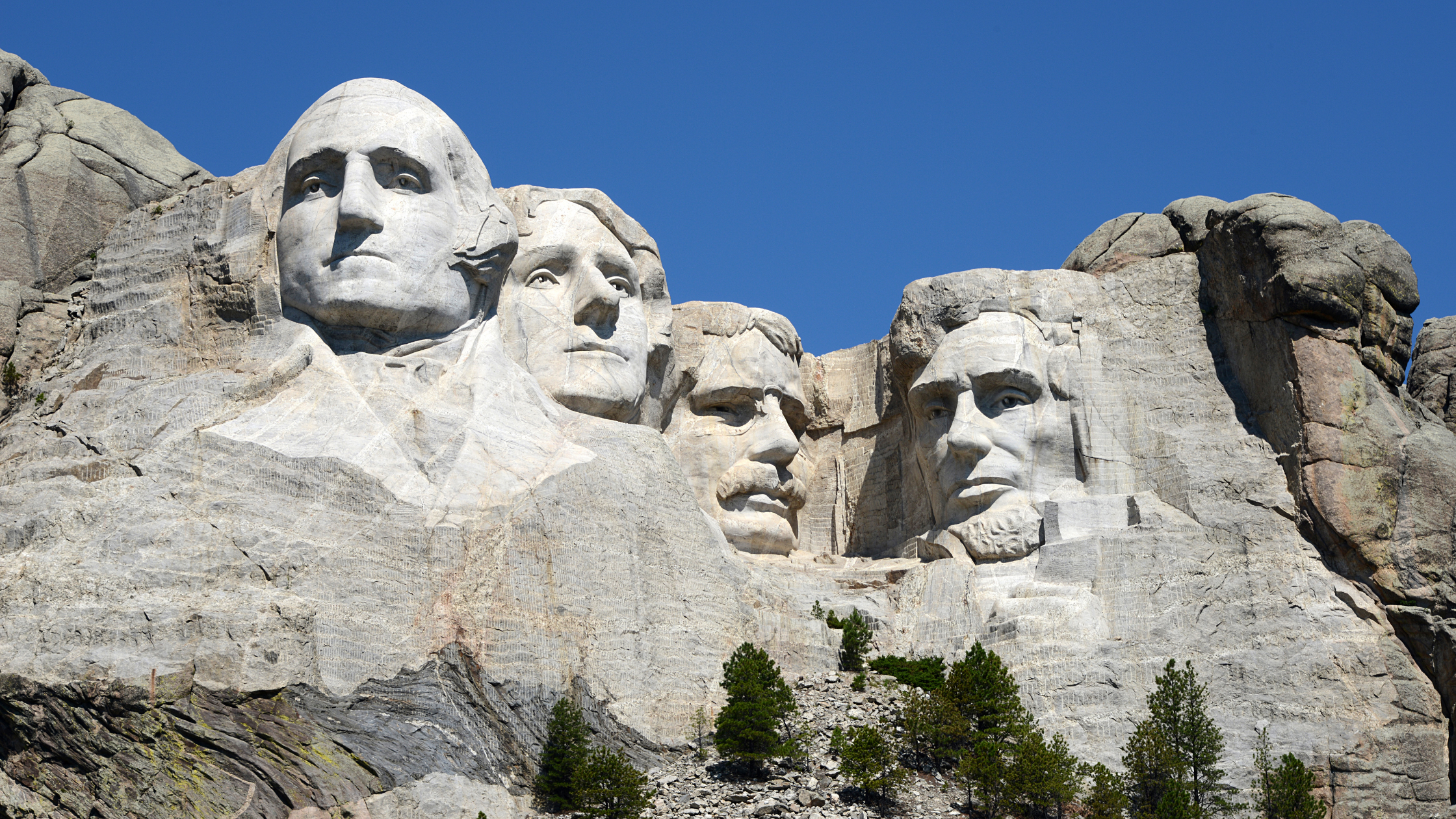
Mount Rushmore National Memorial is one of the most iconic symbols of the United States, located in the Black Hills of South Dakota. This monumental sculpture features the carved faces of four U.S. presidents: George Washington, Thomas Jefferson, Theodore Roosevelt, and Abraham Lincoln. The memorial represents the birth, growth, development, and preservation of the nation. A visit to Mount Rushmore offers a profound educational experience that delves into American history, art, and the challenges of monumental engineering.
Historical Background
The Concept and Creation
Mount Rushmore was conceived by historian Doane Robinson in the 1920s as a way to promote tourism in South Dakota. He envisioned a grand monument that would attract visitors to the Black Hills. Sculptor Gutzon Borglum was commissioned to design and carve the monument, and he chose the four presidents to represent key moments in U.S. history.
George Washington: Chosen for his role as the nation's founding father.
Thomas Jefferson: Representing the expansion of the United States, especially through the Louisiana Purchase.
Theodore Roosevelt: Symbolizing the development of the country, particularly through the Panama Canal and his work on conservation.
Abraham Lincoln: Honored for preserving the nation during the Civil War.
Construction Challenges
Construction of Mount Rushmore began in 1927 and was completed in 1941. The project faced numerous challenges, including the harsh terrain of the Black Hills, limited funding, and the sheer scale of the work. The faces were carved using dynamite for the rough cuts and precise drilling for finer details. Gutzon Borglum passed away before the monument was completed, and his son, Lincoln Borglum, oversaw its completion.
Artistic and Engineering Significance
Mount Rushmore is a masterpiece of large-scale sculpture and engineering. The faces of the presidents are each 60 feet tall, and the entire project required a combination of artistry and engineering innovation. The monument is an example of "high relief" sculpture, where the figures project significantly from the background. The engineering feat of creating such detailed carvings on a massive scale and in such a challenging location is a testament to the ingenuity and dedication of the workers involved.
What to See and Do
Presidential Trail
The Presidential Trail is a half-mile loop that takes visitors close to the base of Mount Rushmore. Along the trail, visitors can view the monument from different angles, learn more about the presidents depicted, and enjoy the natural beauty of the Black Hills.
Sculptor’s Studio
The Sculptor’s Studio offers insights into the artistic process behind Mount Rushmore. Visitors can see original models and tools used by Gutzon Borglum and his team, as well as exhibits explaining the techniques used to create the monument.
Lincoln Borglum Visitor Center
The Lincoln Borglum Visitor Center features exhibits on the history of Mount Rushmore, the geology of the Black Hills, and the lives of the four presidents depicted. The center also includes a theater where visitors can watch a short film about the construction of the monument.
Evening Lighting Ceremony
During the summer months, Mount Rushmore hosts an Evening Lighting Ceremony. The event includes a ranger talk, a patriotic film, and the illumination of the monument. It’s a moving experience that highlights the significance of the memorial and the ideals it represents.
Educational Opportunities
Ranger-Led Programs
Mount Rushmore offers ranger-led programs that provide in-depth information about the monument’s history, the carving process, and the lives of the presidents depicted. These programs are available throughout the day and are suitable for visitors of all ages.
Junior Ranger Program
The Junior Ranger Program is a great way for young visitors to engage with the history and significance of Mount Rushmore. Children can complete activities in a booklet to earn a Junior Ranger badge, helping them learn about the monument in a fun and interactive way.
Visitor Information
Address: 13000 SD-244, Keystone, SD 57751
Hours: Mount Rushmore is open year-round, though hours for specific facilities like the Visitor Center, Sculptor’s Studio, and gift shops may vary seasonally. The memorial is typically open from 5:00 AM to 11:00 PM, with the Evening Lighting Ceremony taking place at dusk during the summer.
Fees: There is no entrance fee to visit Mount Rushmore, but there is a parking fee for vehicles.
Accessibility: Mount Rushmore is accessible to visitors with disabilities, with paved paths, ramps, and elevators available to ensure everyone can enjoy the site.
Plan Your Visit
For more information on planning your visit to Mount Rushmore, including details on special events, educational programs, and visitor amenities, visit the official Mount Rushmore National Memorial website. To explore more about what the Black Hills region has to offer, including nearby attractions and accommodations, check out Visit South Dakota.