

First African Baptist Church -Savannah, Georgia
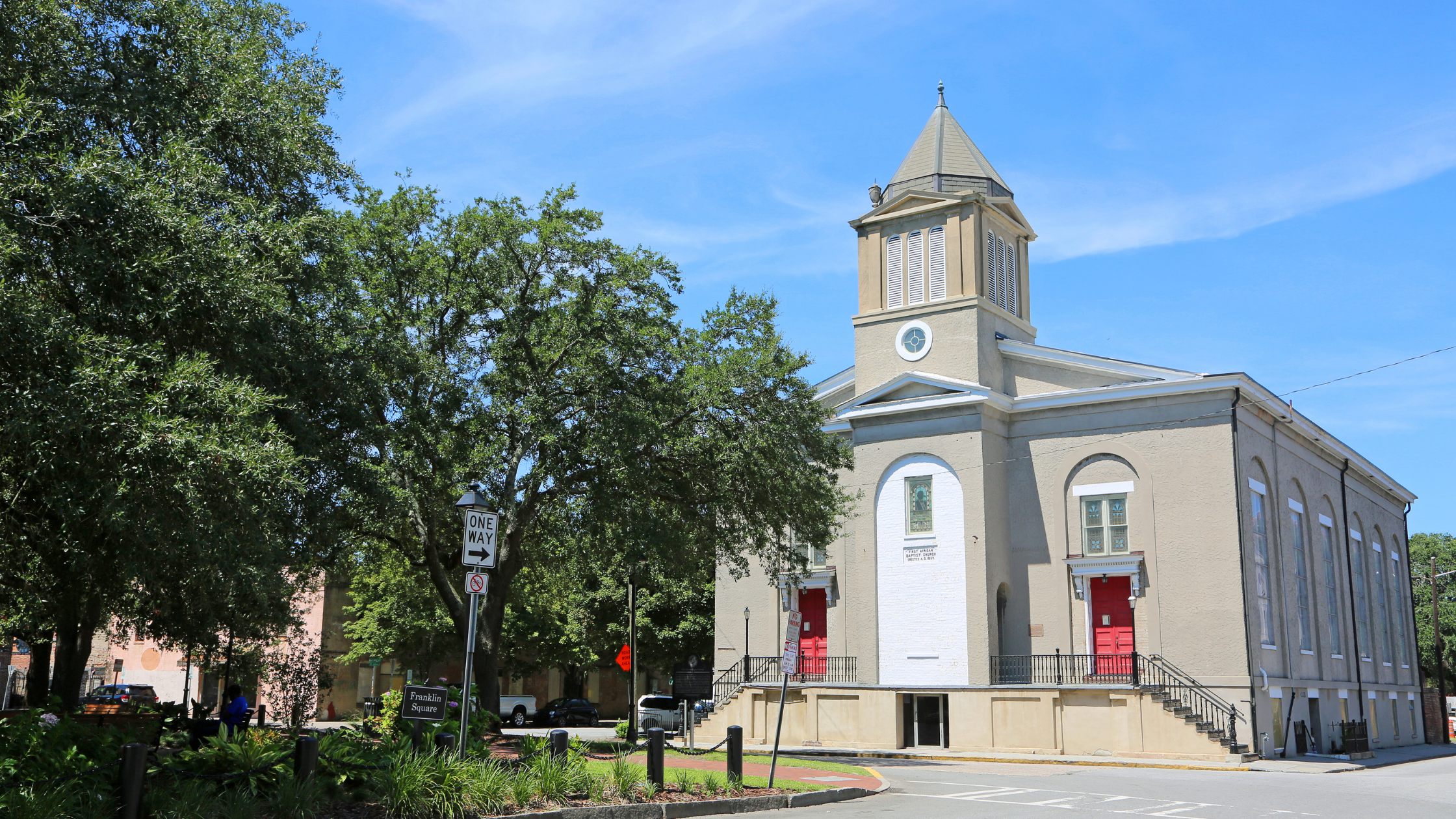
Educational Significance of First African Baptist Church, Savannah, Georgia
Introduction
The First African Baptist Church in Savannah, Georgia, is not only a place of worship but also a cornerstone of African American history and culture. Established in 1777, it is one of the oldest Black churches in the United States, and its continuous operation since its founding provides a deep connection to the history of African Americans in the South. The church’s history, architecture, and role in the community offer valuable educational insights into the African American experience, the Civil Rights Movement, and the struggle for freedom and equality.
Historical Background
Founding and Early History
The First African Baptist Church was organized by Reverend George Leile, a former slave who became the first ordained African American Baptist minister in America. The congregation was initially made up of enslaved Africans who gathered to worship in secret. Despite the oppressive conditions of slavery, the church flourished, becoming a spiritual and cultural center for Savannah’s African American community.
Role in the Underground Railroad
The church played a significant role in the Underground Railroad, serving as a safe haven for enslaved people seeking freedom. The church’s basement contains holes in the floorboards, believed to have been used for ventilation by those hiding beneath the sanctuary. This aspect of the church’s history highlights its importance as a symbol of resistance and the pursuit of liberty.
Civil Rights Movement
During the Civil Rights Movement, the First African Baptist Church was a meeting place for leaders and activists. The church’s legacy as a center for social justice continues to be an important part of its identity, linking it to broader national movements for civil rights and equality.
Architectural Significance
Unique Features
The current church building, completed in 1859, is a testament to the craftsmanship of its congregation, many of whom were enslaved people. The structure features hand-carved pews, a stained-glass window honoring African American heritage, and the distinctive “Nine Patch Quilt” pattern in the ceiling, which is thought to have symbolized safe passage for those on the Underground Railroad.
Educational Opportunities
Guided Tours and Historical Exhibits
The church offers guided tours that provide detailed information about its history, architecture, and role in the African American community. These tours are an excellent educational resource for students, educators, and anyone interested in African American history.
Cultural Significance
The First African Baptist Church is a living monument to the resilience and faith of African Americans throughout history. Learning about the church provides a deeper understanding of the African American experience, particularly in the context of slavery, the fight for civil rights, and the ongoing struggle for equality.
Community Engagement and Legacy
The church continues to serve as a vital part of Savannah’s African American community, offering religious services, community outreach, and educational programs. Its commitment to social justice and education remains strong, making it not just a historic site, but a living, breathing part of the community.
Visiting Information
Address: 23 Montgomery St, Savannah, GA 31401
Tours: The church offers regular tours that are open to the public, providing an in-depth look at its history and significance. Visitors are encouraged to check the church’s official website or contact them directly for tour times and availability.
Accessibility: The church is accessible to visitors with disabilities, ensuring that all who wish to learn about this important historical site can do so.
Plan Your Visit
For more information on tours, events, and the history of the First African Baptist Church, visit their official website.
The First African Baptist Church in Savannah, Georgia, stands as a powerful symbol of faith, resilience, and the quest for freedom. Its rich history and ongoing role in the community make it a crucial educational site for understanding the African American experience in the United States. A visit to this historic church offers a profound connection to the past and inspiration for the future.
