

The Louvre
Exploring the Louvre: A Photographic Journey and Educational Activities for All Ages
The Louvre in Paris is one of the most iconic museums in the world, known for its vast collection of art and its stunning architecture. While many visitors flock to see masterpieces like the Mona Lisa and the Venus de Milo, our recent visit was a bit different—we didn’t go inside, but we still had an incredible experience exploring the exterior and capturing some amazing photos. Here’s how you can make the most of your visit to the Louvre, even if you don’t step inside, and how you can extend the learning experience beyond your visit.
The Beauty of the Louvre: A Photo-Worthy Destination
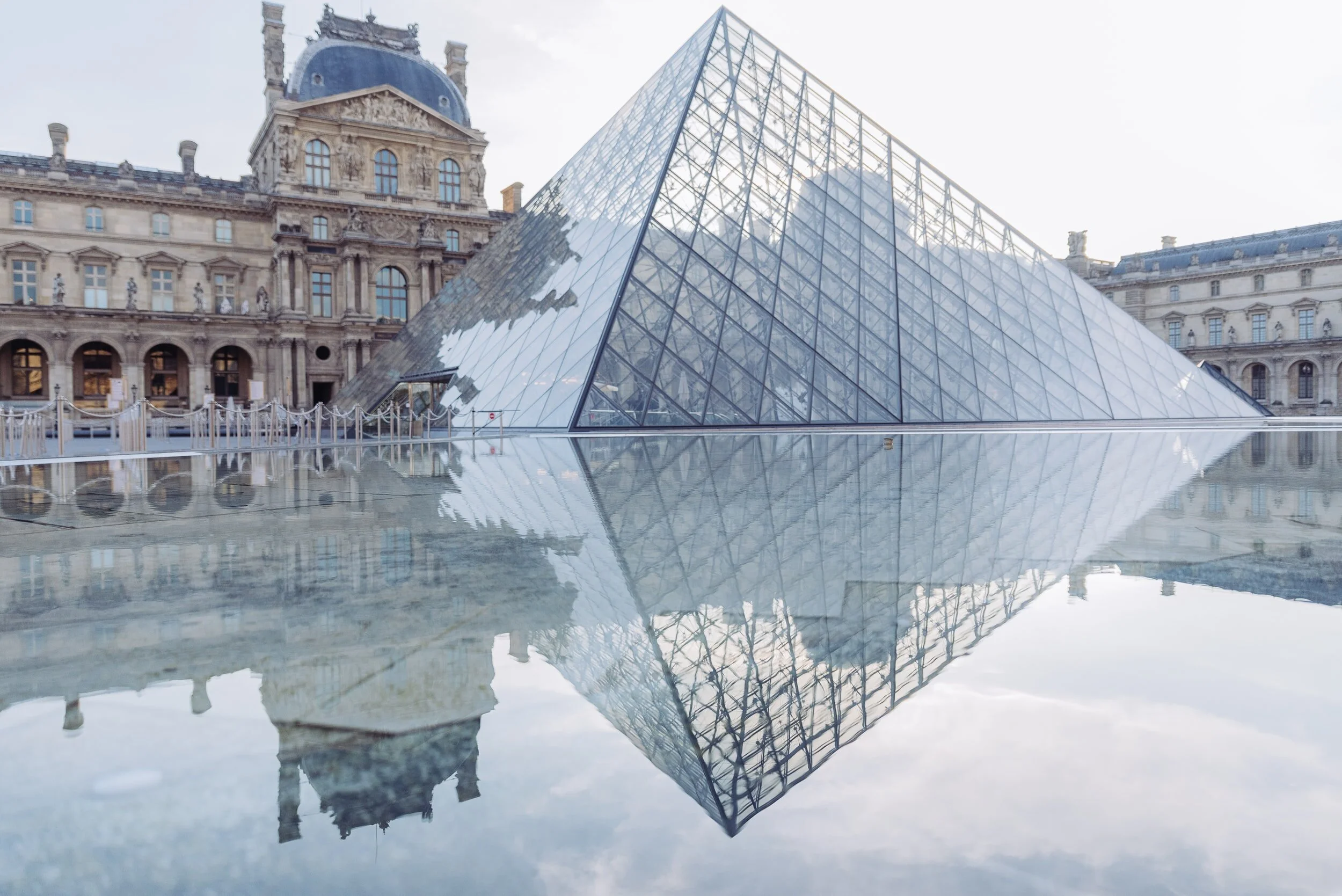
Even without venturing inside, the Louvre offers plenty to marvel at. The museum’s exterior is a work of art in itself, with its grandiose architecture, intricate sculptures, and, of course, the famous glass pyramid that serves as its entrance.
Here’s a fun fact: The Louvre Pyramid was designed by I.M. Pei, a celebrated Chinese-American architect. Completed in 1989, this modern addition to the historic museum sparked controversy at the time but has since become an iconic symbol of Paris. The pyramid's sleek, geometric design contrasts beautifully with the Louvre's classical architecture, creating a striking visual that’s perfect for photography.
As we wandered around the vast courtyards and admired the blend of classical and modern design, we captured some incredible photos that will serve as lasting memories of our trip. The Louvre’s surroundings, including the Tuileries Garden and the Seine River nearby, also offer beautiful backdrops for photography. The combination of history, art, and nature makes this area of Paris a photographer’s paradise. Whether you’re an amateur with a smartphone or a seasoned photographer with a DSLR, there’s no shortage of picturesque scenes to capture.
Educational Extension Activities: Bringing the Louvre Experience Home
Just because we didn’t go inside the Louvre doesn’t mean we missed out on its educational value. There are plenty of ways to extend the learning experience after your visit, allowing you and your family to delve into the world of art, history, and culture.
1. Virtual Tour of the Louvre
One of the best ways to experience the Louvre from afar is through its virtual tours. The Louvre offers several online tours that allow you to explore its galleries and exhibits from the comfort of your home. You can view famous artworks, learn about their history, and even explore areas of the museum that are typically off-limits to the public. This is a great way to deepen your understanding of the museum’s vast collection and to explore what you missed during your visit.
2. Art History Lessons at Home
Take your photos from the Louvre and use them as a starting point for an art history lesson. Research the architectural styles you observed, the history of the Louvre itself, and the significance of the sculptures and statues you saw. You can also explore the stories behind some of the artworks housed inside the museum, even if you didn’t see them in person. This activity is a great way to engage both kids and adults in learning about art and history.
3. Create Your Own Art Inspired by the Louvre
After being surrounded by the artistic ambiance of the Louvre, why not create your own art inspired by what you saw? You can set up a family art project where everyone creates a piece based on their favorite aspect of the Louvre—whether it’s the glass pyramid, the classical sculptures, or the ornate details of the museum’s façade. This activity not only encourages creativity but also helps to reinforce what you learned during your visit.
4. Research the Louvre’s Most Famous Artworks
Even if you didn’t see them in person, you can still learn about the Louvre’s most famous pieces. Choose a few masterpieces, such as the Mona Lisa, the Winged Victory of Samothrace, or the Venus de Milo, and research their history, significance, and the artists who created them. This can be a fun family project, with each person choosing a different artwork to explore and then sharing their findings.
5. Explore Parisian Art and Architecture
Use your photos of the Louvre as a springboard to explore other aspects of Parisian art and architecture. Look into the history of Parisian landmarks, such as Notre-Dame Cathedral, the Eiffel Tower, or the Arc de Triomphe, and compare their architectural styles to that of the Louvre. This can lead to a deeper understanding of how Paris evolved as a center of art and culture.
Making the Most of Your Louvre Experience
Even without stepping inside, our visit to the Louvre was a rich and rewarding experience. The stunning architecture, the vibrant atmosphere, and the opportunity to capture beautiful photos made it a highlight of our trip to Paris. And by extending the experience through educational activities at home, we were able to continue learning and exploring the world of art and history.
If you’re planning a visit to the Louvre but find yourself short on time or unable to go inside, don’t worry—you can still have a meaningful and educational experience. With a bit of creativity and curiosity, the Louvre offers endless opportunities to engage with art, culture, and history, both in person and from afar.
