Gateway Arch National Park
Educational Guide to Gateway Arch National Park, St. Louis, Missouri
Introduction
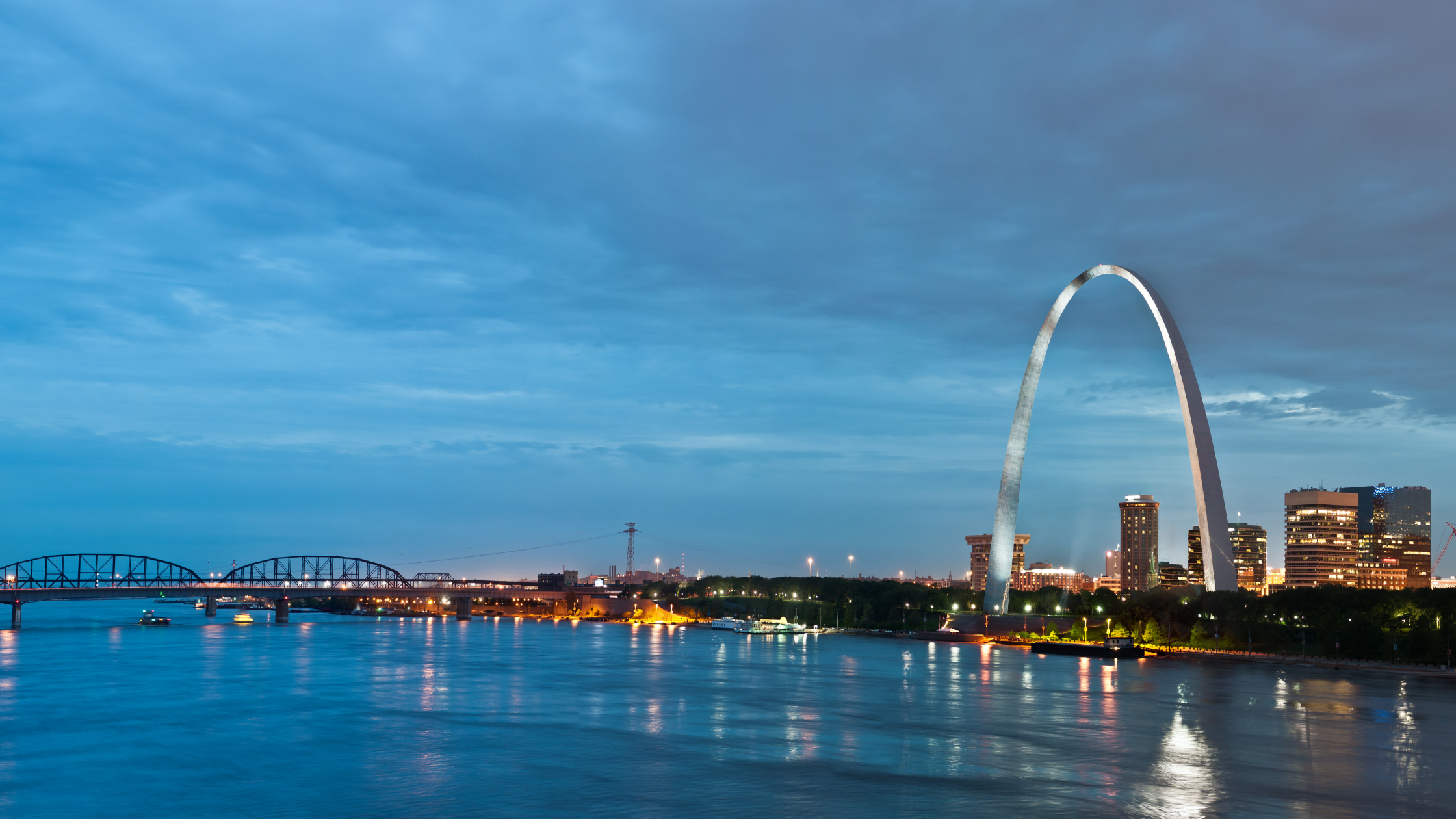
Gateway Arch National Park, located on the west bank of the Mississippi River in St. Louis, Missouri, is home to the iconic Gateway Arch. This stainless steel monument, towering 630 feet above the city, symbolizes the westward expansion of the United States and serves as a tribute to the pioneers who helped shape the nation. The park offers a rich educational experience, highlighting the historical, architectural, and cultural significance of the Gateway Arch and the surrounding area.
Historical Background
The Concept and Construction of the Gateway Arch
The Gateway Arch was conceived as part of the Jefferson National Expansion Memorial, established in 1935 to commemorate Thomas Jefferson’s role in opening the West, the pioneers who explored and settled the frontier, and the role of St. Louis in the westward expansion. The Arch was designed by Finnish-American architect Eero Saarinen, who won the design competition in 1947. Construction of the Arch began in 1963 and was completed in 1965.
The Gateway Arch is the tallest man-made monument in the United States and is considered an engineering marvel. Its unique, inverted catenary curve design was chosen for both its aesthetic appeal and structural stability.
Westward Expansion and St. Louis
St. Louis, often referred to as the "Gateway to the West," played a crucial role in the westward expansion of the United States. The city was a starting point for many expeditions, including the famous Lewis and Clark Expedition of 1804, which was commissioned by President Thomas Jefferson to explore the newly acquired Louisiana Territory. The Gateway Arch stands as a symbol of this era of exploration and growth.
What to See and Do at Gateway Arch National Park
The Gateway Arch
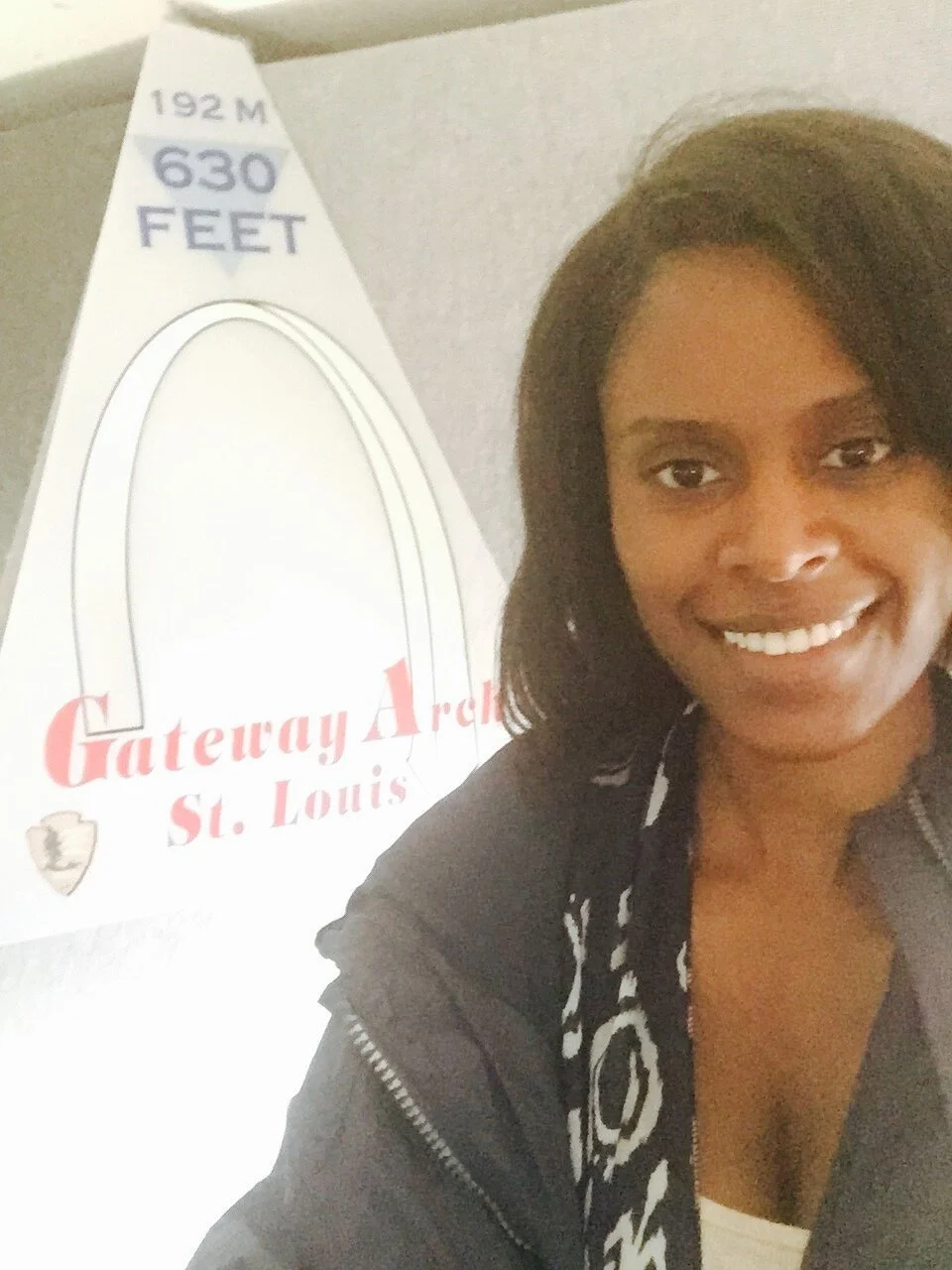
Visitors can take a tram ride to the top of the Gateway Arch, where they can enjoy breathtaking views of St. Louis and the Mississippi River. The tram ride is an engineering feat in itself, navigating the curved structure of the Arch to bring visitors 630 feet to the observation deck.
Museum at the Gateway Arch
The Museum at the Gateway Arch, located beneath the Arch, offers extensive exhibits on the history of the westward expansion, the construction of the Arch, and the cultural impact of this period in American history. The museum is divided into six themed galleries that provide a comprehensive overview of the people, events, and technologies that shaped the nation’s expansion westward.
Old Courthouse
Part of the Gateway Arch National Park, the Old Courthouse is a historic building where several significant legal cases were tried, including the Dred Scott case, which played a pivotal role in the lead-up to the Civil War. The Old Courthouse features exhibits on the history of St. Louis, the Dred Scott case, and the city’s role in the nation’s legal and civil rights history.
The Riverfront
The park also includes access to the St. Louis Riverfront along the Mississippi River. This area offers scenic views and opportunities for walking, biking, and learning about the river's role in commerce and transportation during the 19th century.
Educational Opportunities
History and Cultural Impact
Gateway Arch National Park offers a deep dive into the history of the United States’ westward expansion, the role of St. Louis in this movement, and the broader cultural impacts of this era. The museum’s exhibits, ranger-led tours, and educational programs provide insights into the challenges and opportunities faced by pioneers and the impact of their journeys on Native American populations.
Architecture and Engineering
The Gateway Arch is an excellent case study for students of architecture and engineering. The monument’s design and construction process are highlighted in several exhibits, offering a unique perspective on how this architectural wonder was brought to life. The tram ride to the top also provides a firsthand experience of the engineering ingenuity involved in navigating the Arch’s structure.
Visitor Information
Address: 11 N 4th St, St. Louis, MO 63102
Hours: The park is open year-round, though specific hours for the Gateway Arch, Museum, and Old Courthouse may vary. Typically, the Gateway Arch is open from 9:00 AM to 6:00 PM, with extended hours in the summer.
Tickets: Tickets for the tram ride to the top of the Arch can be purchased online or at the park. It is recommended to book in advance, especially during peak tourist seasons.
Accessibility: Gateway Arch National Park is accessible to visitors with disabilities, with ramps, elevators, and accessible paths throughout the park. The tram to the top of the Arch is also accessible, though space may be limited.
Plan Your Visit
For more information on planning your visit to Gateway Arch National Park, including details on ticket prices, hours, and special events, visit the official Gateway Arch National Park website. To explore more about what St. Louis has to offer, including other attractions, accommodations, and dining options, check out Explore St. Louis.
Conclusion
Gateway Arch National Park is not just a monument; it’s a symbol of American ambition, exploration, and innovation. Whether you’re a history buff, an architecture enthusiast, or simply curious about this iconic structure, a visit to the Gateway Arch offers a rich educational experience that connects the past with the present. Standing at the "Gateway to the West," the Arch invites visitors to reflect on the nation’s history of expansion and the enduring spirit of exploration