

Columbus, Georgia
Educational Guide to Columbus, Georgia: History, Culture, and Nature
Introduction
Welcome to Columbus, Georgia—a city steeped in history, brimming with culture, and surrounded by natural beauty. Whether you’re a student, educator, or curious traveler, this guide will help you explore Columbus through an educational lens, uncovering the stories and significance behind its landmarks, museums, and natural sites.
The Historical Significance of Columbus
Founding and Early History
Columbus was founded in 1828 as a trading post along the Chattahoochee River. The city played a crucial role in the American Civil War as a Confederate supply center, and its history as an industrial hub is still evident in its architecture and cultural heritage.
Key Historical Landmarks
The National Infantry Museum & Soldier Center: This museum is dedicated to the history of the U.S. Infantry, with exhibits that span from the Revolutionary War to modern conflicts. It offers educational programs and tours, making it a great resource for students and history enthusiasts.
The Springer Opera House: Designated the State Theatre of Georgia, the Springer Opera House has been a cultural institution since 1871. Visitors can learn about the history of performing arts in the South and enjoy educational programs, including tours and workshops.
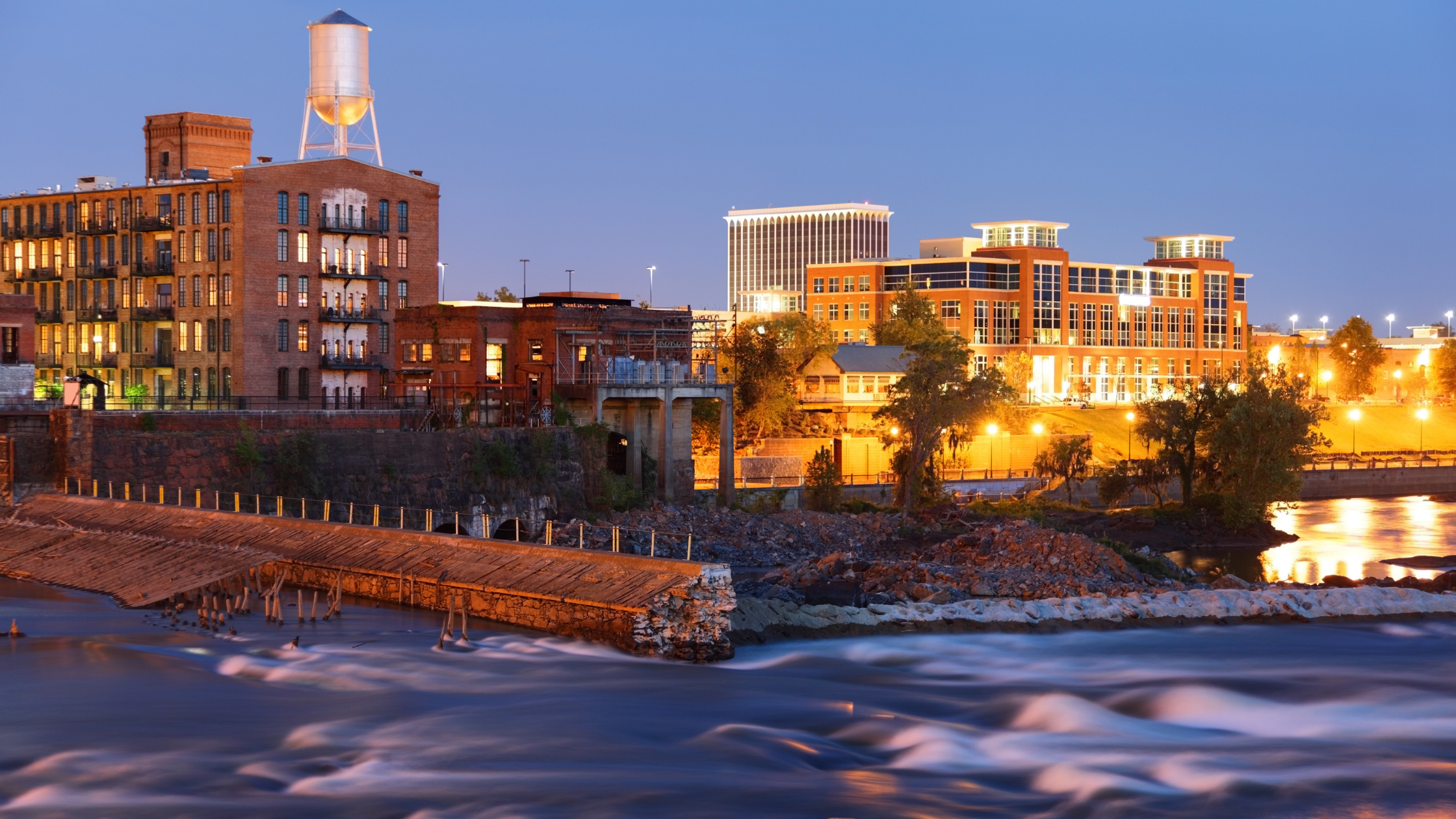
Columbus Historic Riverfront Industrial District: This area showcases the city’s industrial past, with preserved buildings that tell the story of Columbus's growth as a manufacturing center in the 19th and early 20th centuries.
Cultural Education in Columbus
Museums and Cultural Centers
The Columbus Museum: As one of the largest museums in the Southeast, the Columbus Museum offers extensive collections of American art and regional history. Educational programs include guided tours, hands-on workshops, and interactive exhibits.
Coca-Cola Space Science Center: This center provides an interactive experience for learning about space exploration and astronomy. It features exhibits on space missions, simulators, and planetarium shows, making it an ideal stop for science education.
Liberty Theatre Cultural Center: Once a hub for African American culture in Columbus, the Liberty Theatre now serves as a venue for performances and educational programs that celebrate the contributions of African Americans to the arts.
Educational Outdoor Activities
The Chattahoochee River and the Riverwalk
The Chattahoochee River has been vital to Columbus’s history, and the Riverwalk provides a perfect setting for educational outdoor activities. Students and visitors can learn about the river's role in the city's development, its ecological importance, and how it supports local wildlife.
Whitewater Rafting: The Chattahoochee River features one of the longest urban whitewater rafting courses in the world. Educational tours often include lessons on the physics of water flow, the history of the river, and the environmental impact of human activities.
Oxbow Meadows Environmental Learning Center
Oxbow Meadows offers educational programs focused on ecology, conservation, and local wildlife. Visitors can explore nature trails, view live animal exhibits, and participate in workshops that teach about the local ecosystem and sustainability practices.
Standing Boy Creek State Park
Standing Boy Creek is an ideal location for learning about Georgia’s natural habitats. The park offers opportunities for educational hikes, bird watching, and lessons on forest ecology and conservation efforts.
Columbus as an Educational Hub
Higher Education Institutions
Columbus State University: CSU is a central part of the educational landscape in Columbus, offering a range of programs in arts, sciences, business, and education. The university’s RiverPark campus downtown provides access to cultural institutions and research opportunities.
Fort Benning: While primarily a military base, Fort Benning is home to the Maneuver Center of Excellence, which offers educational tours and programs focused on military history, strategy, and technology.
Cultural Festivals and Events
RiverFest: This annual festival celebrates the history and culture of Columbus with educational exhibits, historical reenactments, and performances that highlight the city’s diverse heritage.
The Columbus Black History Museum and Archives: Explore the rich history of African Americans in Columbus through exhibits, documents, and artifacts that tell the stories of the local community.
Practical Information for Educational Visits
Best Time to Visit: The spring and fall are ideal for educational tours, as the weather is mild, and many cultural institutions host special events and programs during these seasons.
Educational Resources: Many of the city’s museums and cultural centers offer educational materials for teachers and students, including lesson plans, guided tours, and workshops tailored to different age groups.
Transportation and Accessibility: Columbus is easy to navigate by car, and many educational sites are located within walking distance of each other in the downtown area.
Conclusion
Columbus, Georgia, is more than just a destination—it's a classroom where history, culture, and nature converge. Whether you’re planning a field trip, a family educational vacation, or a solo learning adventure, Columbus offers a wealth of opportunities to engage with the past, explore the present, and envision the future.
Plan Your Visit
For more detailed information on planning your trip, including additional attractions, dining options, and event calendars, visit the official Visit Columbus, GA website. Additionally, the Explore Georgia website offers a broader look at everything the state has to offer, including nearby destinations that you might want to add to your itinerary.
